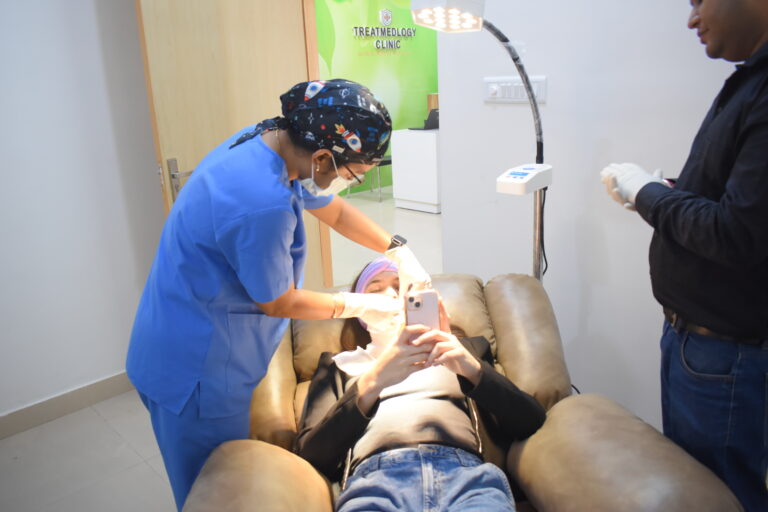
How Does Dermal Fillers Improve Your Skin Quality?

How Does Dermal Fillers Improve Your Skin Quality?

People are crazy to look flawless. They want to look good and radiant.
Thanks to innovation taking place in cosmetic treatments!
Dermal fillers are everywhere, making it easy to enhance facial features and improve skin quality.
In this post, we will explore how dermal fillers work and how they can better your skin quality.
To brief, dermal fillers are gel-like substances that are extracted from natural ingredients like plants and sugar. With dermal fillers’ treatment, you see volume added to the skin, filling in wrinkles and enhancing facial contour. Being infused with the goodness of Hyaluronic Acid (HA), being one of the most commonly used. HA is a naturally occurring substance in the body that helps retain moisture and keep the skin hydrated and plump. These effective injectables reduce the appearance of wrinkles and fine lines and restore lost volume. This happening improves overall skin texture.
Dermal Fillers Improve Skin Quality
According to the American Society of Plastic Surgeons (ASPS), the popularity of minimally invasive cosmetic treatments, including dermal fillers, has been steadily spiking in recent years. In 2020, over 3.4 million dermal filler procedures took place in the United States alone.
This is simply because of its benefits. To be specific about their benefits, let’s get through the given below points:

  • Improve Skin Quality :- Skin quality looks fine if it has enough volume. Aging steals it away, which dermal fillers can improve. As we age, our skin gradually loses collagen and elastin, which hold it taut and hence, introduce elasticity. This loss of volume can end up in sagging/ sunken skin, wrinkles, and a hollowed-out appearance. Dermal fillers can refill it with volume by covering hollowness and restoring youthful contours to the face.
  • Remove Aging Signs :- The visible wrinkles and lines make you look aging. These injectables, when introduced into the skin, plump up the area effectively. They soften folds, and hence making you look vibrant, youthful, and rejuvenated by appearance.
  • Enhanced Texture :- These fillers are capable of enhancing the skin’s texture and overall quality. The introduced fillers stimulate collagen production in the treated area. Here, you should remember that collagen is a crucial protein that provides structure and strength to the skin. As its quantity turns more, the skin becomes firmer, tighter, and more elastic. This eventually leads to an improvement in skin quality.
  • Quick Results :-The process of getting dermal fillers is relatively quick and straightforward. It typically requires a consultation with a certified medical professional because he or she is the right person to assess your specific needs and goals. During the procedure, the filler is carefully injected into the targeted areas using an ultrafine needle. By using the standard technique, these practitioners ensure precise placement and natural-looking results. The results are visible immediately after the treatment.
  • Temporary Side Effects:- It’s important to note that the initial results may show slight swelling or redness, which should subside within a few days. As the filler settles and integrates with the surrounding tissues, the outcome become more apparent.
  • Long-Lasting Results:-However, the duration of the results depends on several factors. It may be the type of filler used and individual variations. If you technically understand, HA fillers can last anywhere from six months to a year or more. Its longevity can be better if you prefer follow-up treatments seriously.
  • Boost Confidence:- In addition to their cosmetic benefits, dermal fillers can cast a positive impact on emotional well-being. Many individuals who undergo dermal filler treatments report increased self-confidence and improved self-esteem. If one addresses insecurities about facial features or signs of aging, he or she can contribute to a greater sense of self-assurance and overall satisfaction.Here are some instructions that one should always follow before and after the cosmetic injectable treatments.

Here are some instructions that one should always follow before and after the cosmetic injectable treatments.

Before Injectable Treatments

  • Patients should thoroughly research and choose a reputable skin specialist with a proven track record in administering injectable treatments.
  • Schedule a consultation with the provider to discuss your goals, concerns, and expectations. Be open about your medical history, allergies, and any previous cosmetic procedures.
  • Work with the skin specialist to develop a personalized treatment plan that aligns with your desired outcome and addresses your specific concerns.
  • Understand the potential risks and side effects associated with the specific injectable treatment you are considering. Discuss these with your provider and ensure all your questions are answered.

After Injectable Treatments

  • Carefully follow the post-treatment instructions as guided your skin specialist. This may include avoiding certain activities, applying ice or prescribed creams, and taking any necessary medications.
  • Be patient and let your skin heal naturally. Results may not be immediately visible, and it may take a few days to weeks for the full effects of the treatment to manifest.
  • Some injectable treatments require maintenance sessions to maintain the desired results. Discuss the recommended follow-up schedule with your provider and ensure you are aware of any necessary touch-ups or future treatments.
  • Report any Concerns: If you experience any unexpected side effects, complications, or concerns, contact your provider immediately. They can provide guidance and address any issues that arise.
  • Remember, each patient’s experience may vary, so it’s essential to have open communication with your provider and follow their guidance for the best possible outcome.

Conclusion

It is essential to choose a reputed cosmetic clinic for fillers or Botox. A skilled practitioner will assess your unique facial anatomy, understand your desired outcome, and recommend the most suitable type and amount of filler for your needs. They will prioritize natural-looking results and ensure your safety throughout the entire procedure.
As with any cosmetic procedure, there are potential risks and considerations to be aware of. These can include temporary side effects such as swelling, bruising, or redness at the injection site. In rare cases, more serious complications can occur, including infection or allergic reactions. It is crucial to discuss the risks and benefits with your provider and disclose any medical conditions or allergies you may have.


More From Author

What is a Mental Health Reset? Many people face mental health challenges, whether it's managing stress and anxiety, dealing with depression, or coping with major life changes. A mental health reset helps to counteract these challenges by proactively taking steps to increase your resilience, boost your emotional well-being, and improve your overall quality of life. It involves taking steps to assess your current condition, identify potential areas for improvement, and adopting strategies to promote well-being. Benefits of a Mental Health Reset Taking a break and resetting your mental health can have profound benefits. Here are some ways it can positively impact your life: Reduced Stress: Clearing your mind and reflecting on your emotions can provide a fresh perspective, helping you prioritize what truly matters. Improved Emotional Well-being: Embracing self-care, seeking professional help, and joining support groups can teach you healthy ways to manage emotions. This can lead to increased self-confidence, improved self-esteem, and a more positive outlook on life. Increased Resilience: Prioritizing healthy habits builds coping mechanisms and raises your stress tolerance. Navigating difficult situations becomes easier, leaving you feeling empowered and more in control. Enhanced Focus and Productivity: By setting goals and establishing a routine that includes rest and self-care, you can boost productivity while reducing burnout and exhaustion. Improved Overall Mental Health: Adopting a holistic approach to well-being through addressing emotional and physical health, can make a significant difference. Overall, a mental health reset can be truly beneficial for all kinds of people. Now, let's explore the tools strategies that can be used to get the most out of this reset. Understanding the Impact of Stress Chronic stress, when unmanaged, can greatly affect your physical well-being, relationships, and work productivity. To address its impact, prioritize strategies like exercise, healthy habits, communication, and self-care. You can mitigate physical health risks by focusing on self-care. Identifying Triggers and Stressors Mental health challenges can be triggered by a range of factors, from life events to daily routines. Recognizing these triggers and understanding how to manage them effectively is essential for a successful mental health reset. The first step in identifying triggers is to become aware of the thoughts, emotions, and physical sensations that accompany stress and anxiety. Keeping a daily journal and being mindful can help you become more attuned to your body and mind. Once you become aware of your triggers, it's essential to evaluate the situations or events that lead to them. Ask yourself: - What happened? - What did I think, feel, or do? - How did it affect my well-being? Being aware of your triggers can help you anticipate them and develop effective coping strategies. Managing stressors is another key element of a successful mental health reset. Here are some strategies to help you manage stressors effectively: - Prioritize Self-Care: Simple activities like taking a bath, reading a book, or spending time with friends can go a long way in promoting relaxation and reducing stress. - Exercise Regularly: Regular exercise is one of the most effective stress management strategies. Engaging in physical activities can help reduce stress and boost mood. - Practice Mindfulness: Practicing mindfulness can help manage stress by reducing negative thoughts and increasing self-awareness. - Seek Professional Support: A trained mental health professional can help you identify your triggers, develop coping strategies, and provide emotional support. - Create Boundaries: Setting boundaries can help manage stress by reducing feelings of overwhelm. Be clear about your limits and communicate them effectively to others. By identifying your triggers and managing stressors, individuals can take control of their mental health and achieve a successful reset. Identifying and Addressing Negative Habits Negative habits can lead to increased anxiety, depression, and other mental health issues. Identifying these habits is the second step in a successful mental health reset. Here are some common negative habits and expert strategies for addressing them: - Social Media Addiction: Scrolling through endless feeds, comparing oneself to others, and engaging in online arguments can all leave one feeling anxious and depressed. Use apps that track your usage and set limits on how much time you spend on social media. Fill the time you would otherwise spend online with healthy activities like exercise, creativity, or socializing in person. - Negative Self-Talk: It’s easy to get caught up in a cycle of negative thoughts and beliefs, but these thoughts can have a serious impact on mental health. To address this habit, try practicing positive affirmations. Write down positive statements about yourself and say them out loud every day. - Procrastination: Putting things off until the last minute can cause a rush of panic and make it difficult to focus. To address this habit, try breaking tasks down into smaller, more manageable steps. Set realistic deadlines and hold yourself accountable. You can also try using tools like the Pomodoro Technique to stay focused and avoid distractions. - Poor Sleep Hygiene: Lack of sleep can lead to mood swings, irritability, and difficulty concentrating. To address this habit, establish a relaxing bedtime routine. Avoid screens for at least an hour before bed and create a calming environment in your bedroom. Stick to a consistent sleep schedule and aim for between 7-9 hours of sleep each night. If you continue to struggle with sleep, consider speaking to a healthcare professional. Remember that change takes time and effort, but the results are worth it. Developing Self-Awareness and Mindfulness Feeling grateful for the good things in our lives can promote a positive mindset and reduce feelings of stress and anxiety. The following are strategies for incorporating gratitude practices into your daily life. 1. Keep a gratitude journal One of the most effective ways to practice gratitude is to keep a journal in which you write down three to five things you are grateful for each day. The act of writing down your blessings can help you focus on the positives in your life, and over time, it can rewire your brain to see the good more easily. 2. Use gratitude prompts Sometimes it can be difficult to come up with things to be grateful for, especially on days when we're feeling low or stressed. Consider using gratitude prompts to help spark your creativity. For example, you might try writing down something you are grateful for that you can see, hear, smell, taste, or touch. You might also try thinking about someone who has made a positive impact on your life or reflect on a past experience that you are thankful for. 3. Incorporate gratitude into your daily routine Make gratitude a part of your daily routine by setting aside time each day to focus on the good things in your life. For example, you might start your morning by reflecting on three things you are grateful for, or you might make it a habit to say thank you to someone each day. By making gratitude a part of your routine, you can train your brain to look for the good in every situation. 4. Practice gratitude in the moment Gratitude doesn't have to be reserved for big events or accomplishments. Encourage yourself to be present in the moment and appreciate the little things that bring you joy, whether it's a cup of coffee in the morning or a beautiful sunset. Learning to Recognize Emotions and Feelings in Yourself and Others Emotional Intelligence is crucial for recognizing, understanding, and regulating emotions. Developing this skill improves relationships, decision-making, and emotional well-being. Neurofeedback, a technique that measures brain activity, can be a valuable tool in enhancing emotional intelligence. By providing real-time information about brainwave patterns, neurofeedback enables individuals to learn to regulate their emotions more effectively. Using mindfulness, self-awareness, and neurofeedback in-combination can significantly contribute to the development of emotional intelligence. Recognizing nonverbal cues like facial expressions, tone, and posture helps with understanding others' feelings. Engaging in active listening and using open-ended questions can build trust, connection, and meaningful relationships with others. Developing Positive Internal Monologue and Affirmations One effective way to develop a more positive internal monologue is to challenge negative thoughts with positive affirmations. Affirmations are simple yet powerful statements that we can repeat to ourselves throughout the day to build confidence and positivity. Here are some tips to help you develop positive internal dialogue and affirmations: - When negative thoughts arise, replace them with positive affirmations. - Use present-tense language and personalize your affirmations. - Repeat affirmations daily and consistently. - Believe in the power of affirmations. Incorporating positive affirmations into your mental health reset can help you cultivate a more positive internal dialogue, leading to increased self-esteem and a more positive mindset. Creating a Safe Space for Reflection and Self-Care To reset your mental health, we suggest establishing a dedicated space and time for self-reflection and self-care. Here's what you can do: 1. Designate a space for self-care activities. 2. Create a regular self-care routine by scheduling and sticking to it. 3. Minimize distractions in your environment. Don't forget that self-care is not selfish - it is a necessary component of maintaining mental health and overall well-being. Professional Resources to Help Guide Your Mental Health Reset If you’re struggling with a mental health disorder or issue, there are various resources available that can offer expert guidance and the necessary tools. 1. Therapy Therapy is one of the most common forms of professional mental health support and counseling available. A therapist can offer personalized guidance and support in navigating life challenges and managing mental health conditions. 2. Support Groups Support groups are another valuable resource for those seeking guidance and support in their mental health reset. These groups provide a safe and non-judgmental space where individuals can share their experiences and connect with others who are going through similar challenges. Being a part of a support group can help reduce feelings of isolation, provide new perspectives, and offer an additional layer of support during times of hardship. 3. Online Platforms Online platforms offer text or video therapy sessions with licensed professionals, virtual support groups, and access to mental health resources such as articles or videos. 4. Mental Health Nonprofits Mental health nonprofits are organizations dedicated to providing resources, education, and support for individuals struggling with mental health challenges. These nonprofits can offer a range of services, including crisis hotlines, support groups, counseling services, and advocacy for mental health awareness and treatment. Some examples of mental health nonprofits include the National Alliance on Mental Illness (NAMI) and Mental Health America. Finding a Mental Health Provider or Expert When seeking professional guidance and support for mental health, one of the most important steps is finding a mental health provider or expert that is the right fit for you. Here are some tips on how to search for and select a suitable mental health professional or expert: • Research Credentials: Before choosing a mental health provider or expert, it’s important to research their credentials to ensure they have the proper training and licensing. Look for professionals who have specific certifications or licenses related to mental health, such as a Ph.D. in psychology or a license in clinical social work. • Seek Referrals: One of the best ways to find a mental health professional or expert is to ask for referrals from trusted sources, such as your primary care physician, friends, or family members who have received mental health support. You can also ask your insurance provider for a list of in-network mental health providers. • Consider Individual Needs and Preferences: Consider factors such as gender, cultural background, and treatment approach. Make sure you feel comfortable with the professional and that they are someone you can trust and speak openly with. • Check Availability and Logistics: When selecting a mental health provider it’s important to check his availability and logistics. Consider their hours of operation, location, and preferred method of communication. • Don’t Be Afraid to Shop Around: It’s okay to shop around and interview multiple mental health professionals or experts before deciding because you want to find someone who you feel comfortable and confident working with. • Establishing A Support System Through Friends, Family, or Therapists We all face mental health challenges at some point in our lives, and it's important to remember that we don't have to go through it alone. Building a strong support network is crucial when it comes to successfully resetting and maintaining our mental health. Follow these steps to keep your mental health reset running smoothly: • Communicate openly with your loved ones • Enlist a mental health support group • Connect with a mental health professional • Practice vulnerability with trusted friends or family Remember that asking for help and building a strong support system is a sign of strength, not weakness. Start Your Mental Health Reset Today By engaging with the strategies mentioned above, you can start your mental health reset journey on the right foot. Remember to be kind to yourself, seek support when needed, and make small changes consistently. Your mental health matters and with the right tools, you can achieve a happier, healthier life. Author's BIO: Nellia Melnyk is a researcher, and content creator who has a keen interest in neuroscience and psychology. She has developed an impressive collection of articles and blog posts focused on improving cognitive function, overcoming mental health issues, and enhancing overall brain health. Nellia is committed to helping individuals harness the power of their brains and live their best lives.

Expert Strategies for a Mental Health Reset This Year

How to Live Longer in Today’s World..

Leave a Reply